Veuillez utiliser votre appareil en mode portrait
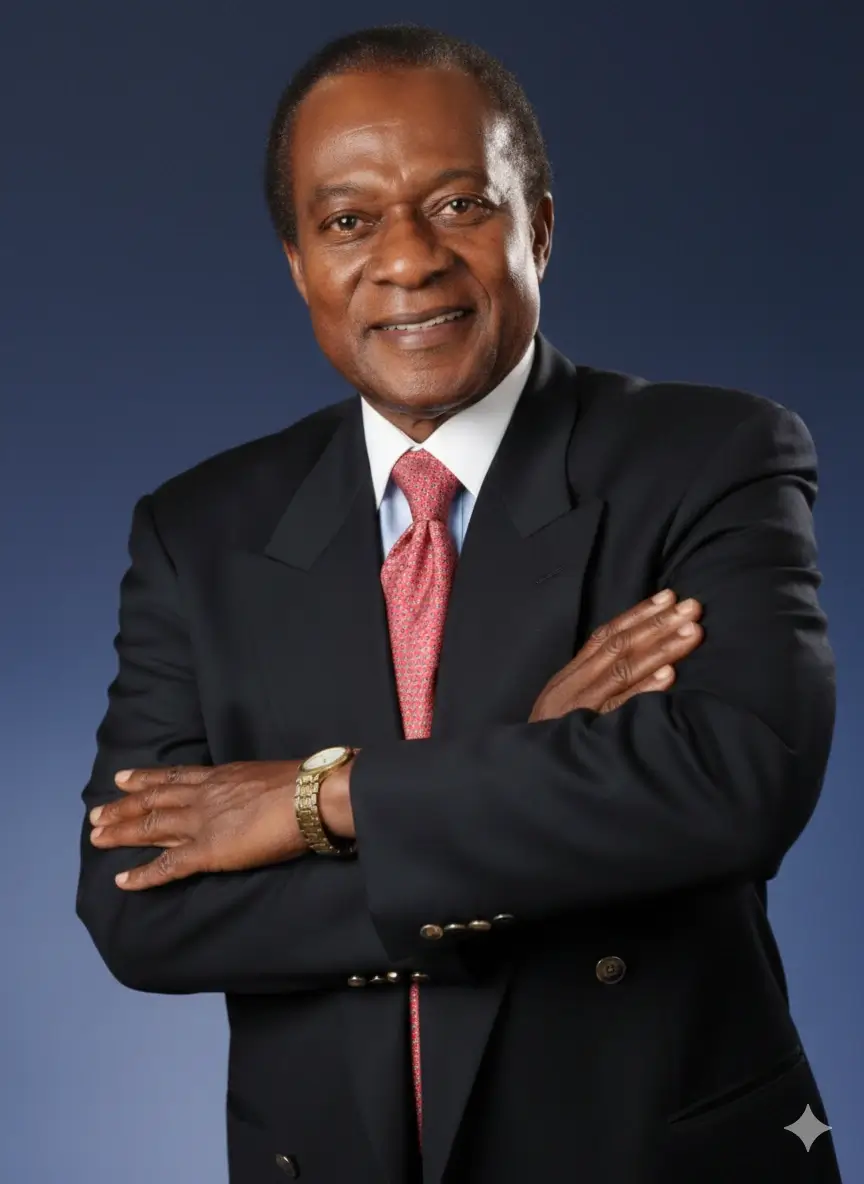
Par Victor B. Lawrence
Né en 1945 au Ghana, Lawrence a poursuivi ses études supérieures au Royaume-Uni avant de rejoindre les prestigieux Bell Labs en 1974. À cette époque, les transmissions de données étaient limitées et s'effectuaient principalement sur des réseaux analogiques lents. En tant que pionnier noir dans la recherche de pointe, il a non seulement brisé des barrières technologiques mais a aussi gravi les échelons jusqu'à devenir vice-président, tout en enseignant dans les universités les plus prestigieuses comme Princeton ou Berkeley.
L'œuvre de Lawrence repose sur le perfectionnement des algorithmes de traitement du signal. Il a notamment inventé l'arithmétique d'arrondi sans biais, une technique utilisée pour stabiliser les filtres numériques présents dans presque toutes les puces DSP actuelles.
Il a été l'architecte principal des premiers modems à haute vitesse (V.32, V.34, V.90), permettant d'atteindre 56 kbit/s sur des lignes téléphoniques classiques. Ses travaux ont également été cruciaux dans le développement de la télévision haute définition (HDTV) et des systèmes de commutation ATM et IP qui forment l'épine dorsale du web.
L'impact de Victor Lawrence est littéralement partout : de la puce de votre smartphone aux câbles sous-marins en fibre optique. Il a personnellement dirigé le projet "Africa One", visant à entourer le continent africain d'un anneau de fibre optique pour réduire la fracture numérique. Son héritage se prolonge également dans l'éducation, où il milite pour l'accès aux matières STEM (sciences, technologie, ingénierie et mathématiques) pour les jeunes des quartiers défavorisés et des universités historiquement noires.
En 2016, il a été intronisé au National Inventors Hall of Fame. Lauréat de la Médaille nationale de la technologie et de l'innovation en 2024, il est également membre de l'Académie nationale d'ingénierie. Ses inventions ont été si déterminantes qu'elles ont été intégrées dans les terminaux de communication sécurisés utilisés par le président des États-Unis.