Veuillez utiliser votre appareil en mode portrait
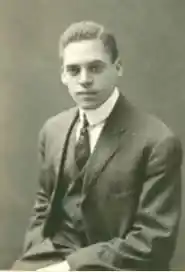
Par Landrow Bell
Au 19e siècle, les étincelles et les cendres s'échappant des trains provoquaient régulièrement des incendies dans les champs, le long des voies et même dans les bâtiments environnants. Les protections de l'époque, de simples bonnets en grillage, étaient inefficaces car elles s'encrassaient rapidement ou laissaient passer trop de particules. L'invention de Bell visait à sécuriser le voyage ferroviaire tout en améliorant la performance des machines.
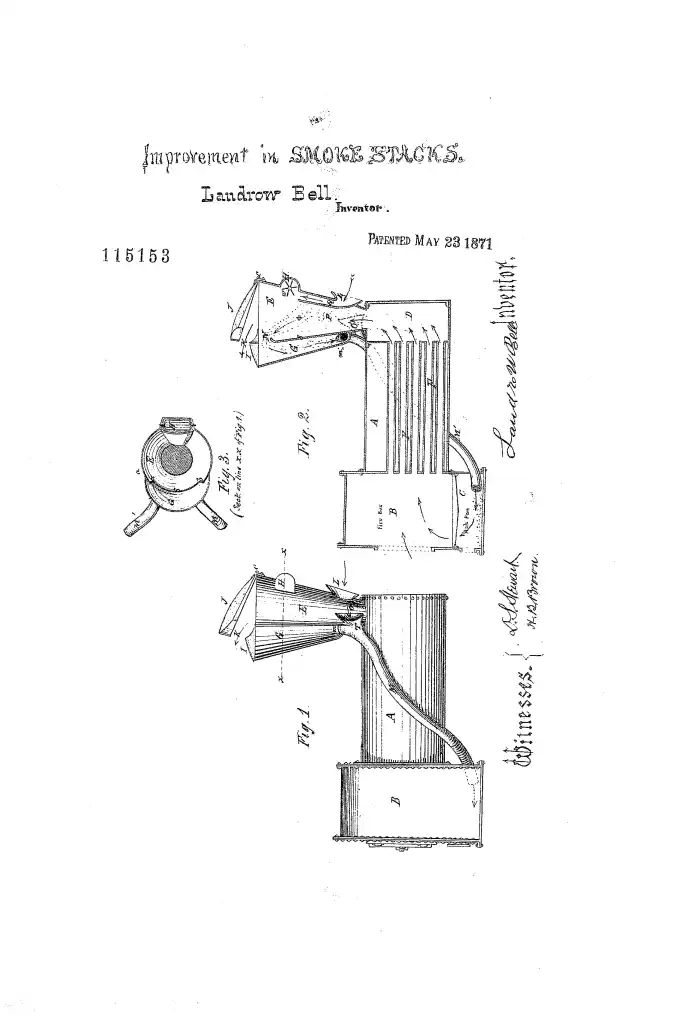
Le brevet n° 115,153 décrit un dispositif complexe intégrant plusieurs innovations majeures. Il comprenait un conduit supplémentaire en forme de croissant et un double bonnet ajustable permettant de contrôler le tirage d'air.
L'élément le plus novateur était un ventilateur automatique actionné par le mouvement du train, qui forçait les étincelles et les cendres vers le conduit de récupération au lieu de les laisser s'échapper dans l'atmosphère.
L'impact de cette invention était double : elle augmentait considérablement la sécurité publique en réduisant les risques d'incendie et améliorait l'efficacité énergétique. Les cendres et le carbone non brûlé étaient redirigés vers le bac à cendres pour être consumés une seconde fois, augmentant ainsi la chaleur du foyer et économisant du carburant.
L'invention de Landrow Bell est reconnue comme une solution créative et précurseure dans l'ingénierie ferroviaire. Son brevet, accordé le 23 mai 1871, témoigne de l'effort constant des inventeurs du 19e siècle pour rendre la locomotion à vapeur plus sûre et plus rentable.