Please use your device in portrait mode
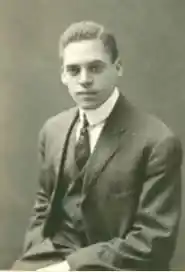
By Landrow Bell
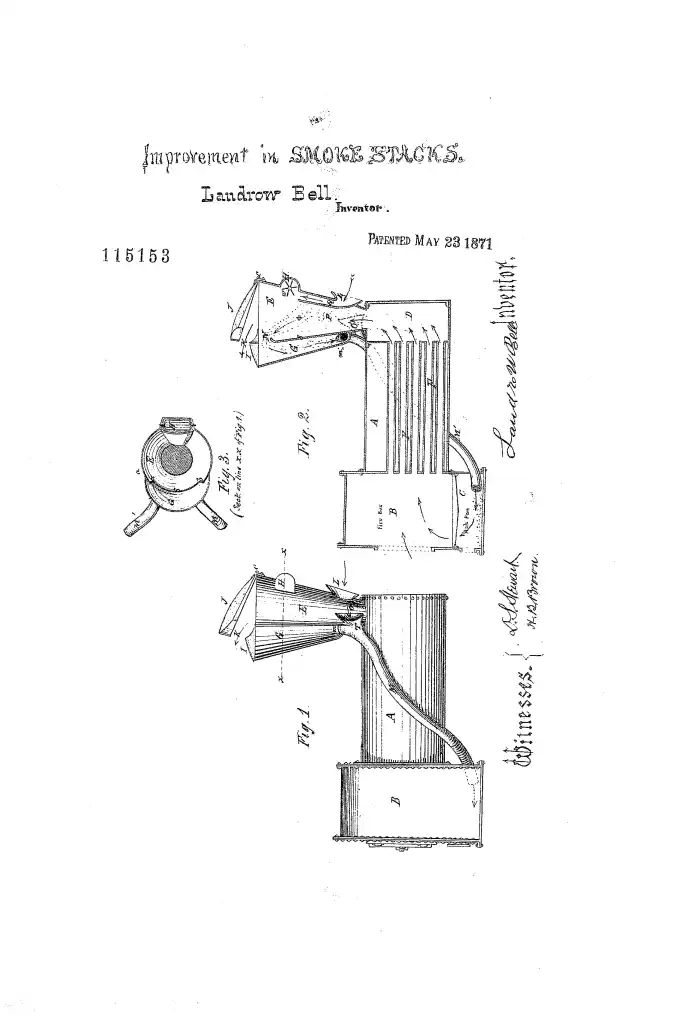
During the 19th century, sparks and cinders escaping from trains frequently caused fires in fields, along tracks, and even in nearby buildings. The simple wire bonnets of the era were ineffective, often clogging or remaining too porous. Bell's invention aimed to make rail travel safer while improving engine performance.
Patent No. 115,153 describes a complex device featuring several major innovations. It included a crescent-shaped supplementary flue and a double adjustable bonnet for better draft control. The most innovative element was an automatic fan-blower powered by the train's motion, which forced sparks and cinders into the recovery flue instead of allowing them to escape into the atmosphere.
The impact of this invention was twofold: it significantly enhanced public safety by reducing fire risks and improved fuel efficiency. Unconsumed carbon and cinders were redirected back to the ash-pan to be burned again, increasing furnace heat and saving fuel.
Landrow Bell's invention is recognized as a creative and pioneering solution in railroad engineering. His patent, granted on May 23, 1871, highlights the ongoing efforts of 19th-century inventors to make steam locomotion safer and more efficient.