Please use your device in portrait mode
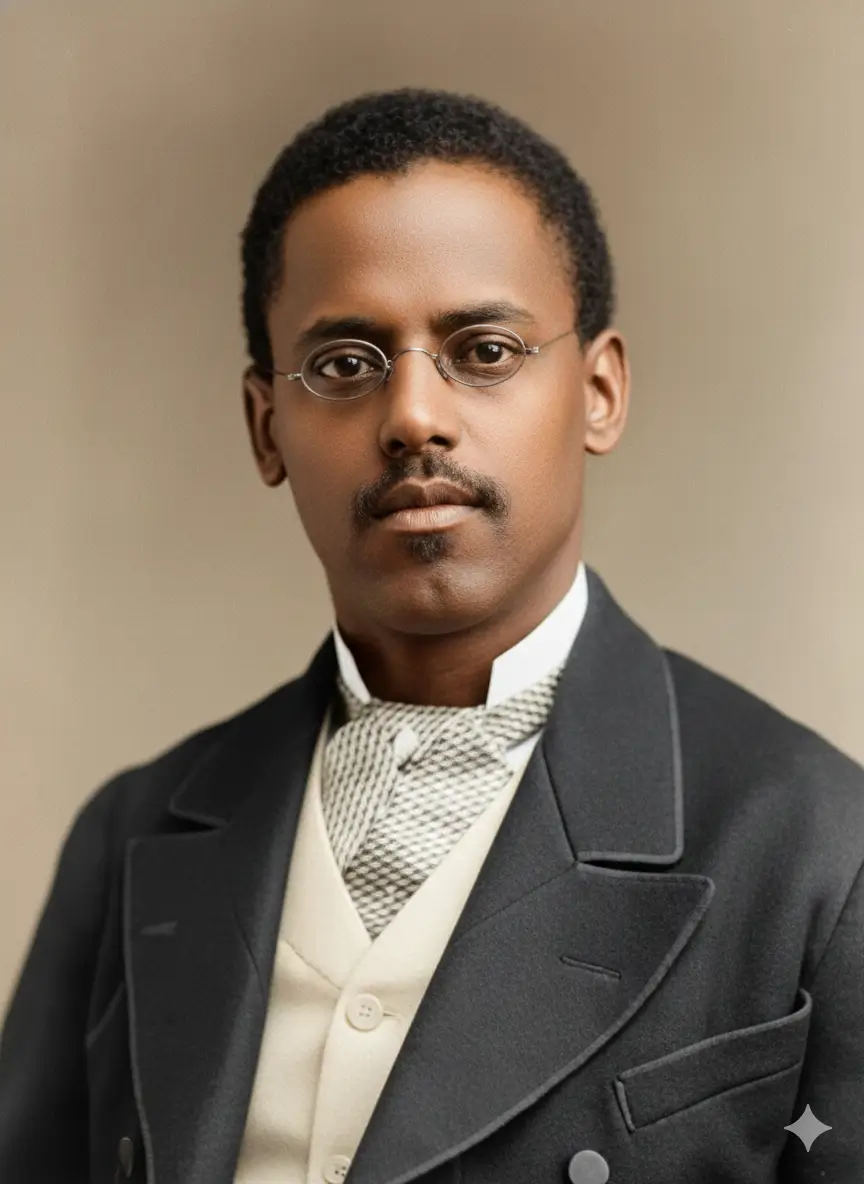
By Lewis Howard Latimer
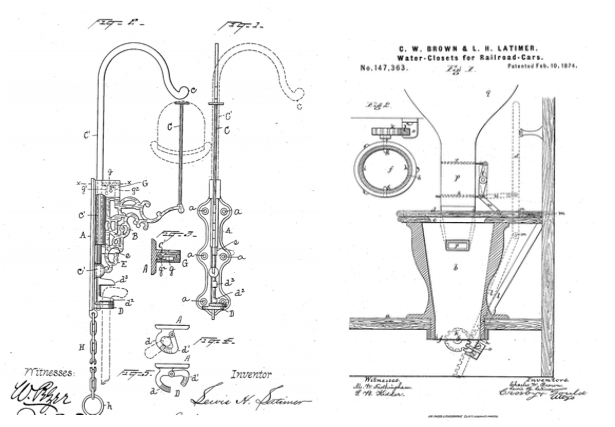
The son of fugitive slaves whose freedom was purchased by abolitionists, Latimer grew up in a climate of struggle for fundamental rights. After serving in the Navy during the Civil War, he taught himself industrial drafting while working as an office clerk. His genius allowed him to work alongside greats, notably helping Alexander Graham Bell draft the plans for the first telephone in 1876 to beat competitors to the patent office.
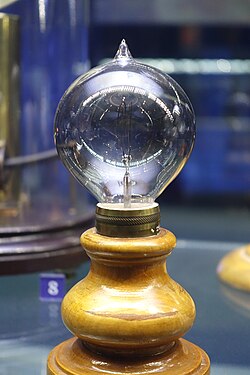
Although Thomas Edison invented the first light bulb, it was impractical because its bamboo filament burned out too quickly. In 1881, Latimer invented and patented a much more resilient carbon filament. He also developed an improved manufacturing process that prevented the carbon from breaking during production. Beyond the filament, he designed a parallel wiring system, ensuring that public streetlights remained lit even if one bulb burned out, and supervised the installation of electricity in cities like New York, Philadelphia, and Montreal.
Latimer's contribution transformed the light bulb from a laboratory prototype into a viable commercial product. Thanks to his filament, electric light became cheaper and longer-lasting, replacing gas lighting in homes. As a founding member of the "Edison Pioneers," he also left a strong social legacy, advocating for racial integration and the education of Black citizens in a deeply segregated America.
In 2006, Lewis Latimer was inducted into the National Inventors Hall of Fame. His home in Flushing, New York, was converted into a museum to honor his memory. His name is also carried by several schools, celebrating his journey from the son of a refugee to one of the most respected engineers of his time, having published the first technical manual on electric lighting in 1890.